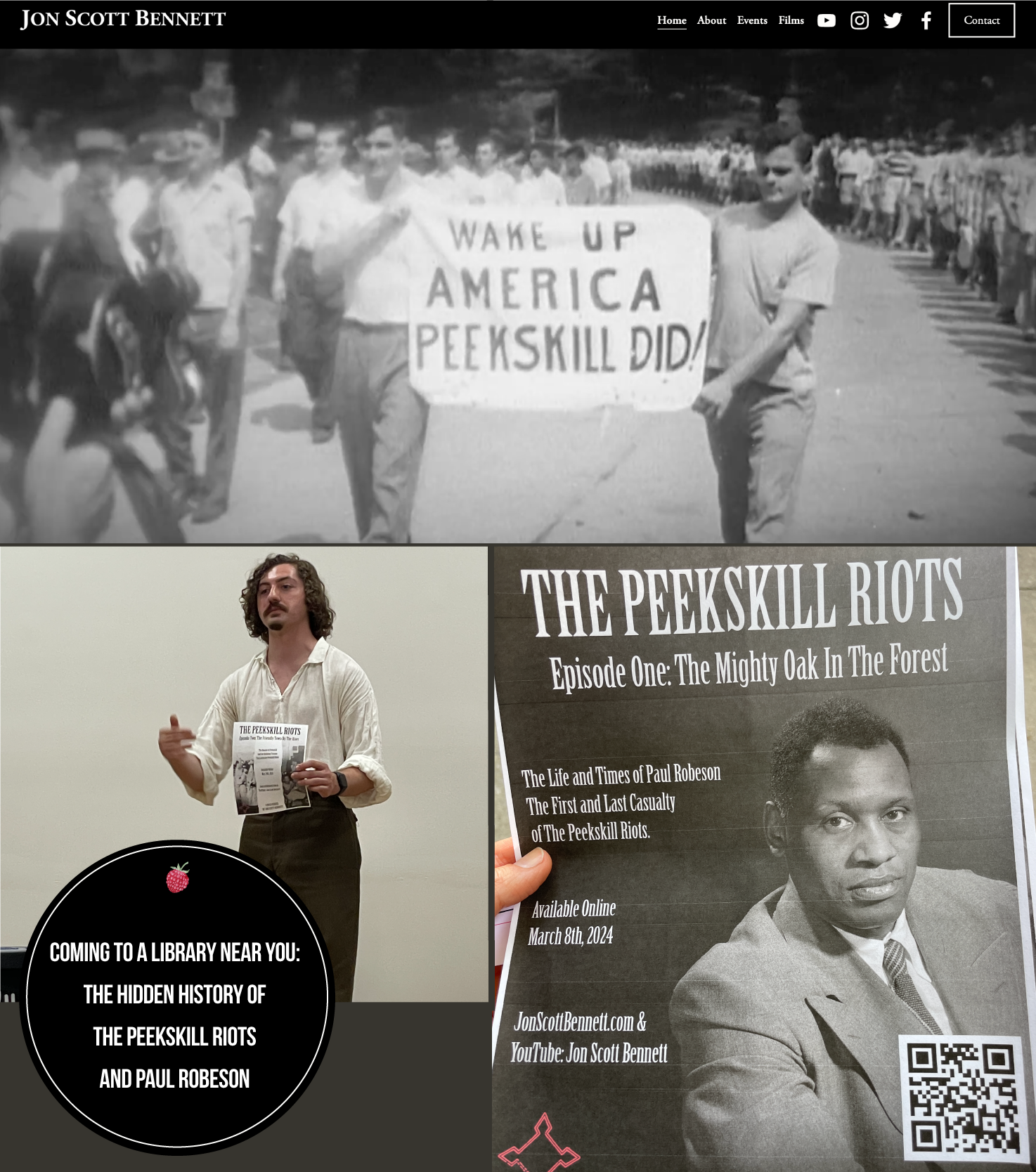
The Peekskill Riots is a major event involving violence and blacklisting, but is a hidden incident that is not mentioned, for example, in the Peekskill Museum. Should a news outlet cover it, said the filmmaker Jon Scott Bennett during his first screening at Beacon’s Howland Public Library, someone from the Peekskill Museum has been known to have allegedly written letters to that media outlet to ask them to shush about it. Being that A Little Beacon Blog is used to this letter-writing treatment by now, we will publish with gusto!
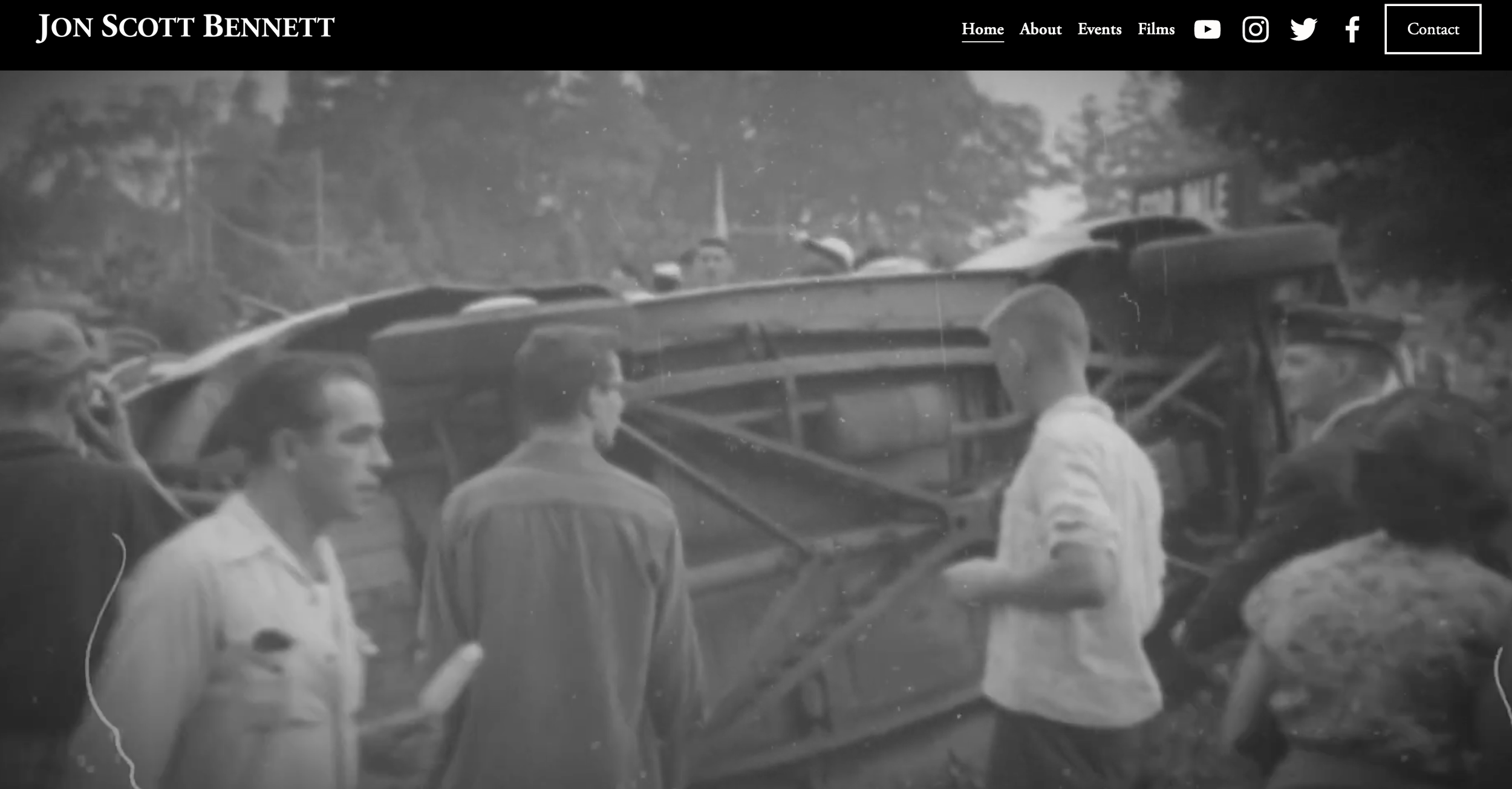
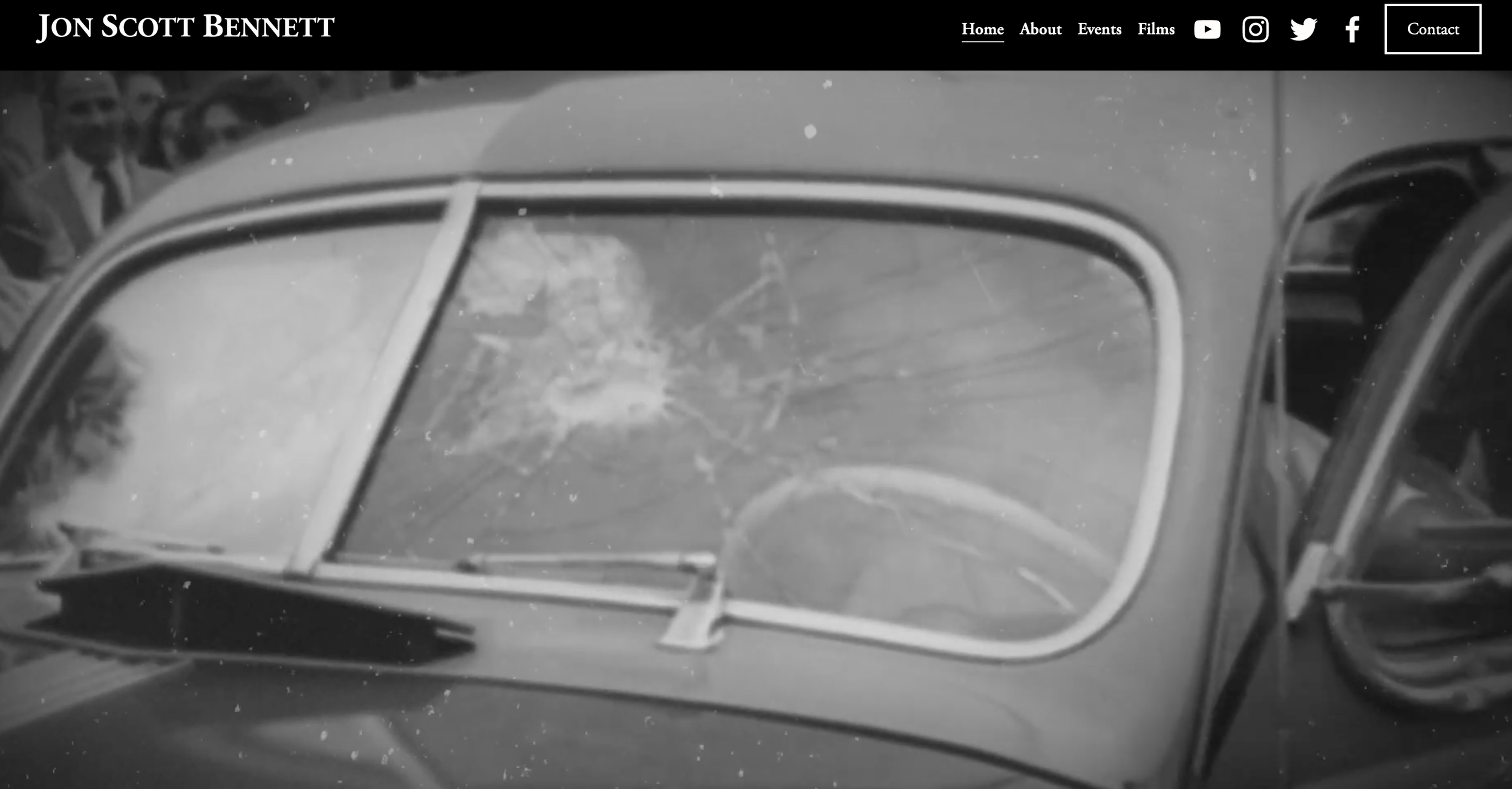
And we thought the Beacon riots of 1977 were bad (they resulted in the community coming together for Spirit of Beacon Day). After learning about The Peekskill Riots of 1949, involving a concert where 20,000 attended, several of whom were Jewish who had come up to the Hudson Valley to summer, who ended up being beaten by fellow white people, some who identified as Klu Klux Clan Members and “anti-Communist members of local Veterans of Foreign Wars and American Legion chapters,” according to Wikipedia. Jon Scott Bennett’s film exploring this is much more researched than that, but this gives you a taste. Makes one wonder…was the Spirit of Beacon Day a facade? To quickly and quietly shush everyone in 1977, after the Civil Rights Movement in the 1960s, and after the violent Peeksill Riots in 1949? It’s an event that is not taught or mentioned locally.
This invisibility of a huge event is what bothered filmmaker Jon Scott Bennett. A self described history enthusiast who was raised in the area, he was bothered that it took him until college to learn about the Peekskill Riots. And so began his quest and extreme deep dive into the Peekskill Riots, and the Afro-American man who it erased: Paul Robeson (here is Wikipedia, and here is PBS, but, PBS calls his devotion to fighting for equality for Black people “radical political beliefs,” so proceed with a critical eye).
The documentary is broken up into 5 parts. Filmmaker Jon calls them “episodes,” even though they are hugely in-depth. After the screening, an audience member asked if PBS and others had shown interest. Jon answered that he wants “freedom to express the message first. I want to focus on getting it into the heart of Peekskill first.” Episodes 1 and 2 are complete, and Episode 3 is nearly finished.
That’s why he is starting with the library circuit. The first screening was in Beacon. The second screening on June 8, 2024 will be near the scene of the crime, at the Peekskill Library.
The episodes Are about:
1: “The Mighty Oak In The Forest”
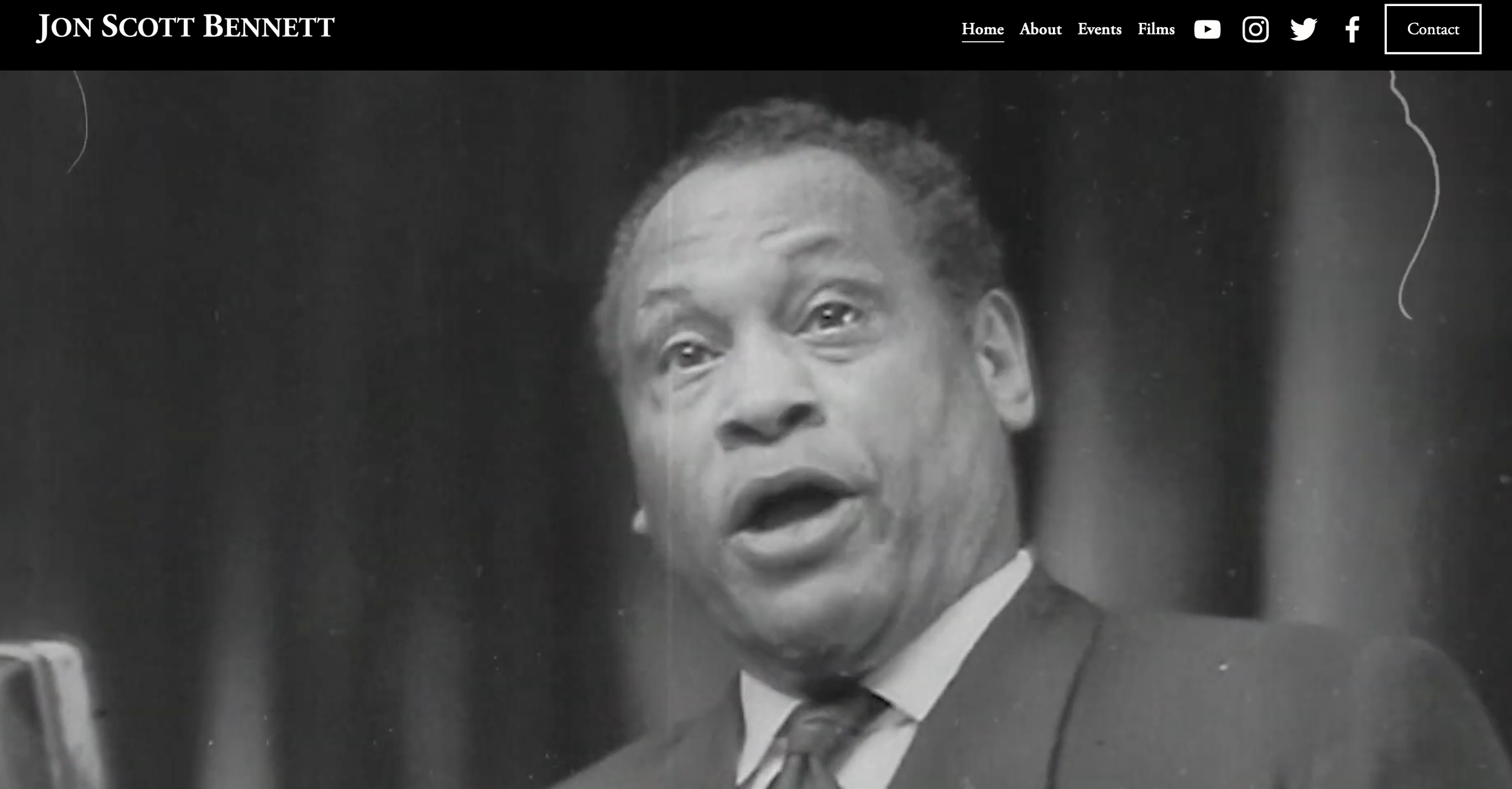
Introducing Paul Robeson. This builds him up so that you understand who he is by the time of the riots. To understand the significance of the loss of Paul Robeson.
This first episode of a 5-part docu-series serves not only as an introduction to the story of the concerts, but also introduces the headlining performer, Paul Robeson, the first and last casualty of The Peekskill Riots.
2: “The Friendly Town By The River”
The filmmaker wanted to next contextualize characterization of Peekskill as its own character. “To understand Peekskill during the Riots, we must first understand the forgotten past of the ‘Friendly Town’ by the River. The culture of hatred strengthened by the Ku Klux Klan shaped Peekskill for decades, while the working class, Jewish summer colonies of the region provided an opportunity for a progressive culture to blossom in the Hudson Valley. This second episode displays the duality of Peekskill’s long-lost history to contextualize the atmosphere of hate and those who would become victim to it.”
3: The Two Riots. This episode will lead up to the 2nd concert, which 20,00-30,000 people come out to support.
4: The Riot After The Second Concert.
5: The Aftermath. The Investigation. The social death contributing to literal death of Paul Robeson, according to the filmmaker.
Who Was Paul Robeson





 Happy Pride!!




 Meet Danielle Pitts: Author of Hair, Hair Everywhere